
Table of Contents
- How to Choose Coffee Beans for Home Brewing
- Best Coffee Beans for Pour Over
- Best Coffee Beans for Espresso at Home
- Best Coffee Beans for Cold Brew
- Best Coffee Beans for Drip Coffee Makers
- Whole Bean vs Ground Coffee for Home Brewing
- Storage and Buying Quantities
- Conclusion: Matching Beans to Your Brewing Method
- Frequently Asked Questions
Last Updated: October 9, 2026
How to Choose Coffee Beans for Home Brewing
The best coffee beans for home brewing are fresh, whole-bean coffees matched to your brewing method, and at Deep Blue Coffee Roasters we roast in small batches so that match actually holds up in the cup. Two labels decide almost everything: the roast date and the roast level. Get those right and you are most of the way there.
Roast Date and Freshness
Freshness is the single biggest variable in home brewing. Whole bean coffee tastes best in the first few weeks after roasting, and whole beans hold their character far longer than ground coffee because the surface area exposed to air is so much smaller.
A common mistake is buying bags with only a "best by" date and no roast date. Without a roast date, you cannot tell whether the beans were roasted last week or last spring.
Roast Level and Flavor Notes
Roast level shapes flavor more than origin does for most drinkers. Light roasts keep more of the bean's natural acidity and fruit; dark roasts trade that brightness for chocolate, caramel, and roast-driven depth.
- Light roast: bright, floral, tea-like, higher acidity
- Medium roast: balanced, sweet, caramel and chocolate notes
- Medium-dark roast: fuller body, cocoa and dried fruit
Match the roast to the method, not to habit. A delicate light roast shines in a pour-over and gets lost in a dark, milk-heavy drink.

Best Coffee Beans for Pour Over
The best coffee beans for pour over are light to medium roasts with clear, bright acidity, because the paper filter strips oils and lets delicate fruit and floral notes come through.
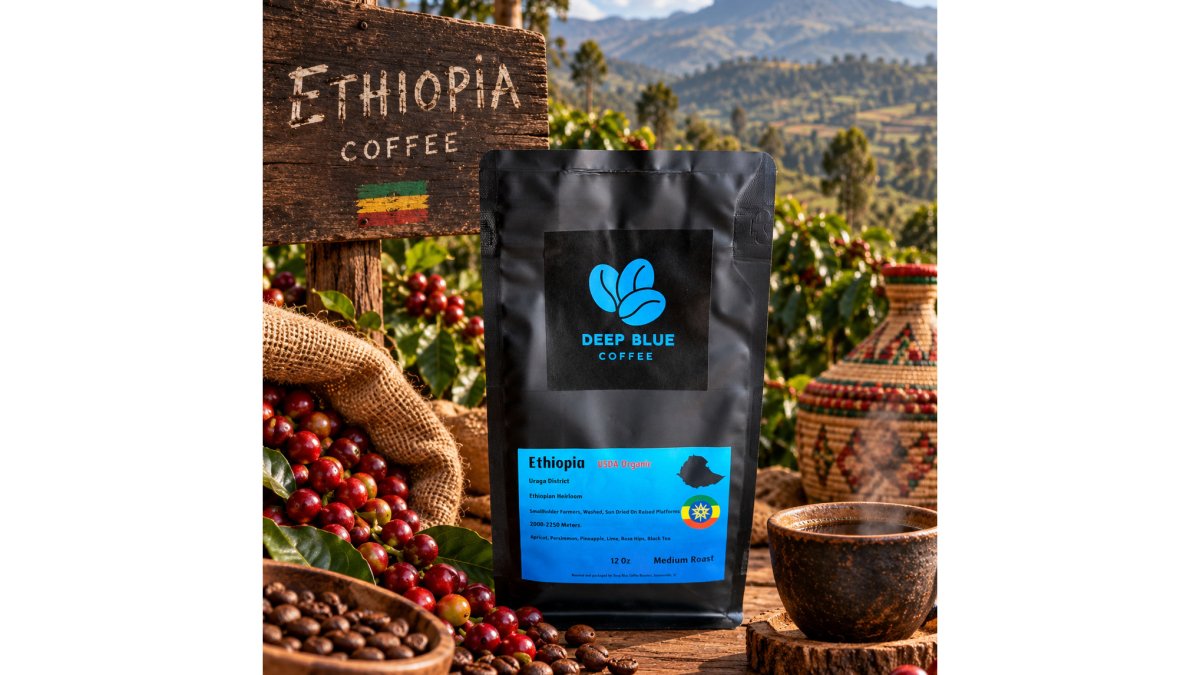
Grind medium-fine, use water just off a boil, and keep the brew ratio near 1:16.
Pros: expressive, layered, showcases origin character. Cons: demands a steady pour and fresh beans; stale beans flatten fast.
Best Coffee Beans for Espresso at Home
The best coffee beans for espresso at home are medium-dark to dark roasts that hold up against pressure and produce a thick, sweet shot. Our Espresso Roast ($24.00, 1 lb) is a blend of four beans roasted for a classic espresso punch with a velvety body.
Pull shots at a 1:2 ratio, roughly 18 grams in and 36 grams out, in 25 to 30 seconds. Dial the grind, not the roast, when a shot runs too fast or too slow.
Pros: rich, syrupy, forgiving with milk. Cons: dark roasts hide subtle origin notes, so save the delicate light roasts for filter brewing.
Best Coffee Beans for Cold Brew
The best coffee beans for cold brew are medium to dark roasts with low acidity and heavy body, because cold water extracts slowly and gently over many hours. That slow, low-temperature extraction pulls sweetness and chocolate rather than the bright acids and delicate florals that hot water releases in minutes. Our pick is the Indonesia Sumatra Dark Roast ($22.00), which brings dark chocolate, brown sugar, and plum over a full-bodied, low-acid cup that stays smooth even when diluted.

Specialty Coffee Association brewing standards and resources
Why roast level matters more here than in any other method
Cold brew is the most forgiving method for grind inconsistency and the least forgiving for the wrong roast. A light, floral roast that sings in a pour-over often tastes thin, tea-like, and vaguely vegetal after 16 hours in cold water, because the compounds that carry those notes need heat to extract. Medium and dark roasts carry the chocolate, caramel, and nutty notes that cold water draws out readily.
Grind, ratio, and time
- Grind: coarse, roughly the texture of raw sugar or sea salt. If your grinder has settings, start two to three clicks coarser than you would for drip.
- Ratio: 1:8 by weight for a concentrate (for example, 4 ounces of coffee to 32 ounces of water). Dilute 1:1 with water or milk before serving, or pour it over ice and let the ice do the diluting.
- Time: 12 to 18 hours in the refrigerator. Under 12 hours and the cup tastes weak and grassy; past 20 hours and it turns woody and bitter.
Troubleshooting the batch
- Muddy or sludgy: the grind is too fine. Go coarser next batch; you cannot fix it after the fact.
- Weak and tea-like: either the grind is too coarse or the steep was too short. Tighten the grind one step before you extend the time.
- Bitter and woody: you steeped too long or used a very dark, oily roast. Pull the batch at 14 hours and try a medium-dark roast next time.
Concentrate vs. ready-to-drink
A 1:8 concentrate keeps in an airtight container in the refrigerator for about a week and gives you the flexibility to dilute to taste. A ready-to-drink 1:15 batch is convenient but goes flat faster, plan to finish it within three to four days.
Pros: smooth, sweet, low-acid, keeps for days, and forgiving of an imperfect pour. Cons: coarse grind matters, the batch takes half a day, and delicate light roasts are largely wasted here.
Ethiopia USDA Organic Coffee Light Roast (12 oz) →
Best Coffee Beans for Drip Coffee Makers
The best coffee beans for drip coffee makers are medium roasts that stay balanced across a wide temperature range. Our Panama Medium Roast ($22.00) delivers caramel, grape, milk chocolate, and toasted almond with a clean finish that suits an automatic brewer.

For drip, grind medium, use about 1 to 2 tablespoons per 6 ounces of water, and skip the hot plate. Holding brewed coffee on heat is the fastest way to ruin good beans.
| Brewing Method | Best Roast Level | Our Pick | Grind Size | Price |
|---|---|---|---|---|
| Pour over | Light | Ethiopia USDA Organic | Medium-fine | $22.00 |
| Espresso | Dark | Espresso Roast | Fine | $24.00 |
| Cold brew | Dark | Indonesia Sumatra | Coarse | $22.00 |
| Drip | Medium | Panama | Medium | $22.00 |
Whole Bean vs Ground Coffee for Home Brewing
Whole bean coffee is the better choice for home brewing because it stays fresh longer and lets you grind to match each method. Ground coffee is convenient but begins losing aroma within days of opening.
Buy whole bean and grind just before brewing. If you do not own a grinder, have the roaster grind for your specific method and buy smaller quantities you will finish quickly.
Storage and Buying Quantities
Most guides stop at 'keep it airtight.' The part that actually protects flavor is matching your buying quantity to your brew rate and your roast date, then storing the beans so they finish their degassing without staling. Here is the practical version.
The freshness window, in plain terms
Whole bean coffee is at its best roughly 4 to 14 days after the roast date. In the first 24 to 72 hours, beans are still degassing carbon dioxide, and that gas interferes with even extraction, a bag roasted yesterday often brews flat and foamy no matter how good your technique is. Most roasters ship within a day or two of roasting, so a bag that arrives on day three is usually ready to brew and will peak around day seven to ten.
Storage rules that actually matter
- Airtight and opaque: light and oxygen are the two fastest flavor killers. A opaque canister with a one-way valve lets carbon dioxide escape without letting oxygen in.
- Room temperature, not the fridge: the refrigerator cycles through temperature and humidity changes every time you open the door, and coffee is hygroscopic, it pulls moisture and odors out of the air. Skip the fridge for daily-use beans.
- Freezing is fine for long-term storage, with one rule: freeze beans in the sealed bag inside an airtight container, and do not thaw and refreeze. Take out only what you will use in a week, let it come to room temperature before grinding, and leave the rest frozen. Whole beans freeze far better than ground coffee because there is less surface area exposed.
How much to buy
Work backward from your daily consumption rather than guessing at bag size. A typical 12-ounce bag yields roughly 30 to 34 single 10-ounce cups at a 1:16 ratio, or about 15 to 17 double espressos at 18 grams per shot. That means:
- One cup a day: a 12-ounce bag lasts about a month, which is longer than the freshness window. Buy 8- to 12-ounce bags and accept that the last week is a compromise, or split a larger bag with a friend.
- Two to three cups a day: a 12-ounce bag lasts 10 to 15 days, the sweet spot. This is the household most roasters design their bag sizes around.
- Espresso, daily: at 18 grams per shot, a 12-ounce bag is roughly 19 shots, or about a week for two people pulling two doubles a day. Buy 2-pound bags and freeze half.
- Cold brew: a 1:8 concentrate at 4 ounces of coffee per batch means a 12-ounce bag makes three batches. If you brew weekly, buy two bags at a time.
Subscription vs. one-off buying
If you drink coffee daily, a subscription is usually the simplest way to keep fresh beans on hand without overbuying, because the roaster ships on a schedule that matches your consumption. Deep Blue Coffee Roasters offers a monthly subscription that saves $1 per bag, and buying three or more bags saves $1 per bag as well. For anyone running through beans steadily, that is the simplest way to keep fresh coffee on hand without overbuying.
Conclusion: Matching Beans to Your Brewing Method
The best coffee beans for home brewing are the ones matched to how you actually brew, bought fresh, and stored well.
If you want a single place to cover every method, Deep Blue Coffee Roasters roasts in small batches with USDA Organic options, veteran-owned, and built around bold, distinct flavor.
Get started with Deep Blue Coffee Roasters and brew a better cup from your very next bag.
Frequently Asked Questions
What beans work best for cold brew?
Cold brew works best with dark or medium-dark roasts because the long steep time pulls out chocolate, caramel, and nutty notes without sharp acidity. A single-origin Sumatra or a dark espresso blend brewed at a 1:8 coffee-to-water ratio for 12 to 16 hours gives a smooth, low-acid concentrate. Use a coarse grind similar to sea salt so the grounds don't clog your filter.
Which coffee beans are best for pour-over brewing?
Light and medium roasts from Ethiopia, Kenya, or Panama shine in pour-over because the method highlights brightness, floral aromas, and fruit-forward acidity. Ethiopia USDA Organic Light Roast delivers apricot, lime, and black tea notes that pour-over extracts cleanly. Grind medium-fine, use water between 195 and 205 degrees Fahrenheit, and aim for a 1:16 brew ratio with a total brew time around three minutes.
Should I buy whole-bean coffee for home brewing?
Whole bean coffee is the better choice for home brewing because ground coffee loses aroma and flavor within days of opening. Whole beans stay fresh for two to four weeks past the roast date when stored in an airtight container away from light and heat. Grinding right before you brew preserves the oils and gases that carry flavor notes, which matters most for pour-over and espresso.
What coffee beans work best in a drip coffee maker?
Medium roasts are the safest pick for drip coffee makers because the machine's steady extraction handles balanced profiles well. Panama Medium Roast brings caramel, milk chocolate, and toasted almond notes that hold up through a standard drip cycle. Use a medium grind, one to two tablespoons per six ounces of water, and replace the paper filter each time to avoid stale oils building up.
How do I choose coffee beans for home brewing?
Start with your brewing method, then work backward. Pour-over and cold brew reward different roast levels, and espresso needs a finer grind and a bean with enough body to stand up to pressure. Check the roast date, not just the best-by date, and buy from a roaster who ships within days of roasting. Match roast level to the flavor you want: light for bright and fruity, dark for bold and earthy.